
Lately, there's been a real uptick in the demand for cool and stylish interior cladding walls. They're transforming everything—from cozy homes to sleek commercial spaces. I was reading this report from Mordor Intelligence, and it actually predicts the global market for interior cladding will grow at around 6.4% CAGR between 2021 and 2026. That’s mainly because more construction projects are popping up, and people are paying more attention to making their interiors look good. Plus, with more folks becoming eco-conscious, companies like Shandong WALLART New Building Material Co., Ltd. are stepping up with innovative products—think WPC and PVC solutions—that tick all these boxes.
Dr. Samuel Fitch, a well-known industry expert, once said, “The future of interior design is all about blending style with functionality, and top-notch interior cladding walls are key to that mix.” That really hits home right now, highlighting how choosing the right materials can totally lift a space’s vibe while also being durable and sustainable.
Thanks to advances in materials and clever design techniques, companies like WALLART are offering some seriously innovative interior cladding options that suit all kinds of needs. As the industry keeps evolving, jumping on these solutions not only boosts the aesthetic appeal but also beefs up the functional quality of interiors—making a strong case for why good cladding is such a game-changer in modern design.
Innovative Trends in Interior Cladding: Transforming Your Space
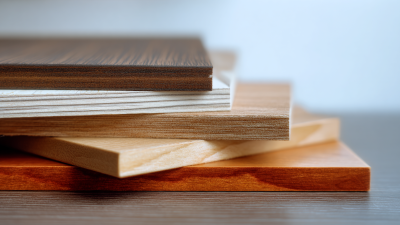
Innovative trends in interior cladding are set to revolutionize how we perceive and design our living spaces in 2025. One of the standout movements is the embrace of natural wood aesthetics, which not only enhances the visual appeal of interiors but also fosters a sustainable design philosophy. The latest collections showcase premium natural wood panels that are both elegant and contemporary, making them a perfect fit for modern homes aiming for a balance of style and environmental consciousness.
Another emerging trend is known as wood drenching, which serves as a cocooning technique to envelop rooms in rich, warm textures. This approach offers a serene alternative to more vibrant, cluttered decor styles, allowing homeowners to create immersive environments that prioritize comfort and tranquility. With the blending of these innovative ideas, interior cladding is not just a design element but a transformative force that offers endless possibilities for personalization in our homes.
Enhancing Your Space: The Benefits of Waterproof Customized PS Wall Panels for Interior Decoration
Enhancing your space has never been easier with the use of waterproof customized PS wall panels. The advantages of these panels go beyond mere aesthetics, transforming interiors into functional yet stylish environments. Polystyrene (PS), commonly referred to as organic board, emerges as a champion for homeowners and designers alike, largely due to its impressive array of properties. According to a report by the Global Plastics Industry, the demand for advanced polystyrene products is projected to grow significantly, driven by their outstanding versatility and cost-effectiveness.
PS wall panels are not only lightweight and affordable but also boast low water absorption and remarkable durability. Their excellent chemical resistance and electrical insulation properties make them suitable for a variety of environments, including humid and high-frequency areas. In fact, studies show that PS materials exhibit greater weather resistance compared to traditional materials like plexiglass, making them an ideal choice for long-lasting decorative solutions. Furthermore, their ability to be easily machined and customized opens up endless possibilities for both residential and commercial spaces.
Creative flexibility is another compelling reason to consider PS wall panels for interior decoration. With excellent light transmittance and the potential for screen printing designs, these panels allow for a personalized touch in any room. As reported by the Interior Design Association, customized wall solutions are projected to enhance interior aesthetics significantly, creating unique atmospheres tailored to individual preferences. By choosing waterproof PS wall panels, you not only benefit from practicality and durability but also infuse your space with a contemporary flair that stands the test of time.

FAQS
: The key trends include the embrace of natural wood aesthetics and a technique known as wood drenching, which creates warm, immersive environments focused on comfort and tranquility.
Interior cladding, particularly made from premium natural wood, not only elevates the visual appeal but also aligns with sustainable design philosophies, promoting environmental consciousness.
The global interior cladding market is projected to grow at a compound annual growth rate (CAGR) of 4.5% from 2021 to 2026 due to increasing demand for innovative designs and materials.
The installation of interior cladding can lead to a 15-20% reduction in maintenance costs over the lifespan of a building, making it a financially beneficial investment.
Lightweight and sustainable cladding materials provide durability and lower installation costs, making them a popular choice for maximizing value in both residential and commercial projects.
Effective acoustic treatment through innovative cladding can reduce sound transmission by up to 50%, enhancing the auditory experience in spaces like offices and schools.
Advanced wall cladding systems can improve energy efficiency by up to 30%, leading to reduced heating and cooling costs, while maintaining a stable indoor climate.
Enhancing both acoustics and thermal comfort fosters a more serene atmosphere and promotes sustainability and efficiency in the built environment.
Interior cladding offers endless possibilities for personalization, transforming spaces by improving aesthetics, functionality, and comfort.
Innovative cladding solutions facilitate a blend of style and functionality, creating immersive environments that prioritize comfort, energy efficiency, and a pleasing aesthetic.
Conclusion
This article explores the transformative potential of innovative Interior Cladding Wall solutions, highlighting current trends that redefine interior spaces. It offers a comparative analysis of the top five materials suitable for interior cladding, emphasizing their unique properties and aesthetic contributions. Additionally, the discussion includes sustainable options that align with eco-friendly practices, underscoring the importance of sustainability in modern design.
Moreover, the article addresses the cost-effectiveness of various interior cladding options, demonstrating how to maximize value without sacrificing quality. It also delves into the benefits of enhancing acoustics and thermal comfort through innovative cladding techniques. Through case studies, the article showcases successful transformations achieved with modern wall solutions, illustrating how Shandong WALLART New Building Material Co., Ltd. contributes to this dynamic field with its range of WPC and PVC interior products.
Related Posts
-

How to Choose the Perfect Home Interior Wall Paneling for Your Space
-

Transform Your Space: Top 5 Innovative Cladding Wall Interior Ideas for Modern Homes
-

Understanding the Versatility of PVC Panels: A Comprehensive Guide to Modern Applications and Benefits
-

Transform Your Space: The Ultimate Guide to PVC Wood Panels for Modern Interiors
-

Transform Your Space: Exploring the Benefits of Marble PVC Wall Panels for Modern Interiors
-
5 Essential Tips to Determine the Best WPC Wall Panel Prices in India

Liam
-

Phone
-

E-mail
-

WhatsApp
Send Us A Message
Get Price And Free Samples Right Now!