0%

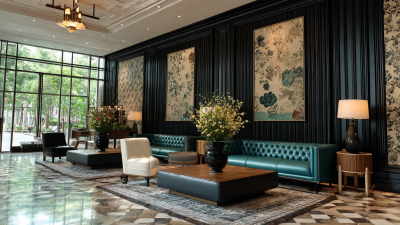
You know, in today’s architecture scene, the role of the 'Interior Cladding Wall' really can’t be emphasized enough. It’s not just about making a space look good — it’s also about functionality. Companies like Shandong WALLART New Building Material Co., Ltd. really understand this, since they focus on developing, producing, and selling both WPC interior and exterior materials, plus some PVC options too.

Top 10 Interior Cladding Wall Ideas for Modern Home Designs

And if you look at the bigger picture, a recent report from a top market research firm predicts that the global market for interior cladding is gonna grow by about 4.5% annually over the next five years. That just shows how much folks are craving new, sustainable building materials these days.

Exploring Sustainable Materials for Interior Cladding in Modern Homes

In the realm of modern home design, the choice of interior cladding plays a crucial role, not just in aesthetics but also in sustainability. As homeowners become increasingly eco-conscious, materials like reclaimed wood, bamboo, and recycled metal are gaining popularity. These options not only enhance the visual appeal of a space but also contribute to environmental preservation. For instance, reclaimed wood offers a rustic charm while ensuring that no new trees are felled, making it a responsible choice.

When selecting materials for interior cladding, consider their carbon footprint and longevity. Opting for locally sourced materials can significantly reduce transportation emissions. Additionally, look for products treated with non-toxic finishes to ensure a healthy indoor environment.

**Tips:** To get the most out of your sustainable cladding choices, think about mixing materials for added texture and visual interest. Moreover, make sure to maintain your cladding properly to extend its lifespan and reduce the need for replacements, thereby enhancing sustainability. Incorporating plants with your cladding can also enhance air quality and create a harmonious balance in your modern home design.

Top 10 Interior Cladding Wall Ideas for Modern Home Designs

Innovative Textures and Finishes: Elevating Home Aesthetics with Wall Cladding

When it comes to modern home designs, the walls are more than just boundaries; they can be transformed into stunning focal points through innovative textures and finishes. Wall cladding offers a plethora of options, from natural wood and stone to sleek metal and contemporary composite materials. These elements not only enhance the visual appeal of a space but also add depth and warmth, creating an inviting atmosphere.

Tips: Consider the scale of your room when selecting cladding materials. Larger spaces can handle bold designs like reclaimed wood or large-format tiles, while smaller areas might benefit from lighter finishes or vertical panels that create an illusion of height. Mixing materials can also bring uniqueness to the design; pairing smooth surfaces with textured elements can strike a balance between sophistication and comfort.

Additionally, think about the maintenance of your chosen cladding. Materials like vinyl or fiber-cement boards offer durability and easy cleaning options, perfect for high-traffic areas. On the other hand, natural materials might require more upkeep, but they can provide a timeless quality that enhances the overall energy of your home. Embracing the right textures and finishes in wall cladding can significantly elevate the aesthetic appeal, making each room a statement of modern design.

Acoustic Properties of Interior Cladding: Enhancing Sound Quality in Modern Interiors

Acoustic properties of interior cladding are increasingly significant in modern residential designs, particularly as home environments become multifunctional spaces where leisure, work, and entertainment intersect. Effective cladding materials can significantly reduce noise transmission between rooms, which is crucial in creating serene living spaces. According to a report by the Acoustical Society of America, sound absorption coefficients of different materials vary considerably, with some wood-based cladding solutions achieving coefficients as high as 0.85 under certain conditions. This indicates that they can absorb over 85% of the sound energy that strikes their surface, significantly enhancing sound quality within interiors.

Moreover, innovative materials such as acoustic panels not only serve as effective sound barriers but also add aesthetic value to modern homes. The use of soft textiles or porous materials in wall cladding can mitigate echoes and improve sound clarity, which is particularly beneficial in large open-plan designs. Research published in the Journal of Architectural Acoustics highlights that employing such acoustic-enhancing cladding can lower the perceived noise levels by up to 10 decibels, creating a more comfortable auditory environment. As homeowners prioritize both style and functionality, integrating acoustic considerations into interior cladding choices stands out as a vital trend in contemporary architecture.

Comparative Analysis: Cost-Effectiveness of Popular Interior Cladding Options

Top 10 Interior Cladding Wall Ideas for Modern Home Designs

When it comes to modern home designs, interior cladding serves not only as a decorative element but also plays a crucial role in insulation and energy efficiency. The global cladding market is expected to grow from $248.3 billion in 2023 to $485.5 billion by 2032, at a compound annual growth rate (CAGR) of 7.4%. This growth is driven by the increasing demand for sustainable building materials and energy-efficient solutions in residential construction.

A comparative analysis of popular interior cladding options—like natural fiber composites, veneer sheets, and traditional drywall—reveals significant insights regarding cost-effectiveness and environmental impact. For instance, natural fiber composites are gaining traction for their eco-friendly properties. Reports estimate that veneer sheets could reach a market value of $38.0 billion by 2035, suggesting a robust interest in their aesthetic appeal and sustainability.

Tips: When selecting cladding materials, consider not only the initial cost but also their long-term energy savings and durability. Opt for materials with lower environmental footprints and lifecycle assessments that align with your sustainability goals. Always keep an eye out for innovative solutions that enhance energy efficiency while maintaining modern aesthetics.

Trends in 3D Wall Cladding: Transforming Spaces with Visual Depth and Interest

3D wall cladding is redefining the modern home aesthetic, bringing visual depth and engaging texture to interior spaces. With the emergence of statement walls, homeowners are discovering innovative ways to infuse character and sophistication into their decor. Textured panels, for example, are not only visually appealing but also create a sense of movement and dimension, transforming flat surfaces into captivating features. Whether it's a bold geometric design or soft, organic curves, these 3D elements can infuse any room with personality.

As we look ahead to 2024, the latest trends in wall cladding highlight the use of royal textures and minimalist styles. These trends emphasize elegance and playfulness, allowing for customization that resonates with personal style. From luxurious texture paint designs that elevate living spaces to the practical and stylish appeal of wall panels, the options are endless. Incorporating these ideas into your home not only enhances its aesthetic charm but also ensures that your interior spaces reflect the latest design philosophies centered around depth, character, and comfort.

Top 10 Interior Cladding Wall Ideas for Modern Home Designs

Cladding Material Texture Color Variations Installation Style Approximate Cost per Square Foot
Wood Panels Natural Grain Brown, Gray, Whitewash Horizontal, Vertical $5 - $10
Stone Veneer Textured Gray, Beige, Earth Tones Stacked, Random $8 - $15
Metal Panels Smooth, Ribbed Silver, Black, Copper Flat, Angled $7 - $13
3D Wall Panels Geometric Patterns White, Beige, Custom Colors Raised, Recessed $10 - $20
Painted Wall Panels Flat Variety of Colors Direct Application $2 - $5
Brick Cladding Rough Red, Tan, Black Traditional, Modern $10 - $20
Glass Panels Smooth, Glossy Clear, Frosted, Colored Frameless, Framed $15 - $30
Vinyl Cladding Smooth Variety of Colors Lap, Shingle $3 - $6
Ceramic Tiles Glossy, Matte White, Black, Colorful Patterned, Random $8 - $15
Wallpaper Panels Smooth, Textured Various Patterns Peel-and-Stick, Traditional $1 - $4

Integrating Technology: Smart Wall Solutions for Energy Efficiency in Home Design

As modern home designs evolve, integrating technology into interior cladding solutions has become essential for enhancing energy efficiency. According to a report by the U.S. Department of Energy, homes equipped with smart technology can save up to 30% on energy costs. One innovative approach is the use of smart walls that not only serve as a decorative element but also incorporate insulation materials that adapt to temperature changes. This ensures optimal energy performance throughout the year.

Moreover, advancements in wall technology are leading to the integration of renewable energy features, such as solar panels built into wall designs. A study by the National Renewable Energy Laboratory revealed that buildings utilizing these smart cladding systems can reduce their carbon footprint by up to 50%. By customizing wall designs to include energy-efficient solutions, homeowners are not only investing in aesthetic appeal but also in sustainable living. As we look to the future of home design, the fusion of technology and innovative materials will undoubtedly shape the way we think about building and energy consumption.

Exploring the Growing Demand for Waterproof Customized PS Wall Panels: Insights from the Interior Decoration Market Trends 2023

The trend towards waterproof customized PS wall panels in interior decoration is gaining significant traction in 2023, driven by an increasing consumer demand for functional aesthetics in living and working spaces. A recent market analysis indicates that the global decorative panel market is projected to grow by over 6% annually, reflecting a burgeoning inclination towards customized and durable solutions. The unique properties of PS (Polystyrene) decorative boards, commonly known as "organic boards," set them apart from traditional materials, offering a lighter and more affordable option for consumers.

PS panels present numerous benefits, including low water absorption and excellent weather resistance, making them an ideal choice for both residential and commercial applications. Their stable chemical properties and high resistance to aging ensure a longer lifespan under various environmental conditions. Industry experts highlight that these panels also allow for versatile customization, with capabilities such as machining, bending, and screen printing, all while maintaining a price point that is typically lower than that of acrylic alternatives.

As the demand for innovative and resilient interior decoration solutions rises, manufacturers are expected to enhance their production processes to meet the customized needs of consumers. Reports indicate that the integration of advanced technologies in the manufacturing of PS wall panels will further propel their market penetration, capitalizing on the growing trend towards sustainable and aesthetically pleasing home environments.

FAQS

: What are the main benefits of using wall cladding in home design?

: Wall cladding enhances visual appeal, adds depth and warmth to spaces, and can transform walls into stunning focal points, making each room a statement of modern design.

How should I choose cladding materials based on room size?

For larger spaces, bold designs like reclaimed wood or large-format tiles work well, while smaller areas may benefit from lighter finishes or vertical panels to create an illusion of height.

What are some maintenance considerations for different cladding materials?

Durable materials like vinyl or fiber-cement boards are ideal for high-traffic areas due to easy cleaning, whereas natural materials may require more upkeep but offer a timeless quality.

How do acoustic properties of cladding impact home environments?

Effective cladding materials can significantly reduce noise transmission between rooms, creating serene living spaces, with some wood-based solutions absorbing over 85% of sound energy.

What is the advantage of using acoustic panels in wall cladding?

Acoustic panels not only serve as barriers to sound but also enhance aesthetic value and can lower perceived noise levels by up to 10 decibels, improving overall sound clarity.

What trends are currently shaping 3D wall cladding designs?

The latest trends emphasize royal textures and minimalist styles, allowing for customization and infusing spaces with elegance and playfulness through unique geometric or organic designs.

How can textures and finishes elevate the aesthetic appeal of a home?

Incorporating innovative textures and finishes in wall cladding enhances charm and ensures that interior spaces reflect the latest design philosophies centered around depth, character, and comfort.

What should homeowners consider when mixing different cladding materials?

Mixing materials can bring uniqueness to a design; pairing smooth surfaces with textured elements can create a balance between sophistication and comfort.

What role does wall cladding play in multifunctional home spaces?

Wall cladding with acoustic properties is essential in multifunctional areas, providing sound absorption that contributes to a more comfortable and serene home environment.

How do current design philosophies influence the choice of wall cladding?

Modern design philosophies focus on enhancing visual interest and comfort, which encourages homeowners to select cladding that combines functionality with artistic expression.

Conclusion

This article delves into the top 10 interior cladding wall ideas, highlighting innovative approaches to modern home designs. It emphasizes the importance of sustainable materials, showcasing how eco-friendly options can enhance aesthetics while reducing environmental impact. The exploration of textures and finishes reveals how interior cladding walls can elevate home decor, creating visually captivating spaces.

Moreover, the article discusses the acoustic properties of various cladding materials, demonstrating their role in improving sound quality. A comparative analysis of popular options in terms of cost-effectiveness provides valuable insights for homeowners and designers alike. The trends in 3D wall cladding are highlighted, illustrating their ability to transform spaces with depth and interest. Lastly, the integration of smart technology into wall solutions offers energy efficiency, aligning with contemporary design principles. Shandong WALLART New Building Material Co., Ltd. stands at the forefront of this industry, offering a range of WPC and PVC products that cater to modern interior cladding wall needs.

Olivia

Olivia

Olivia is a dedicated marketing professional at Shandong WALLART New Building Material Co., Ltd., where she plays a pivotal role in driving the company’s growth through her expertise in product development, production, and sales. With a deep understanding of the industry, Olivia specializes in WPC......
Previous 5 Essential Tips to Determine the Best WPC Wall Panel Prices in India

Send Us A Message

Get Price And Free Samples Right Now!